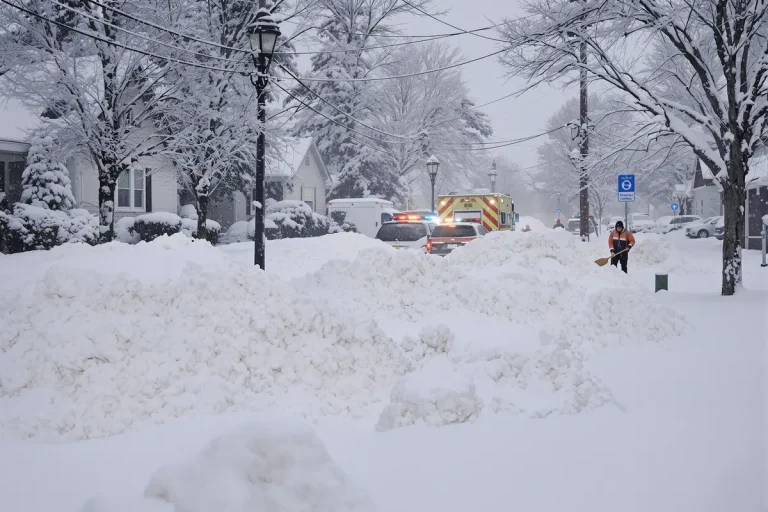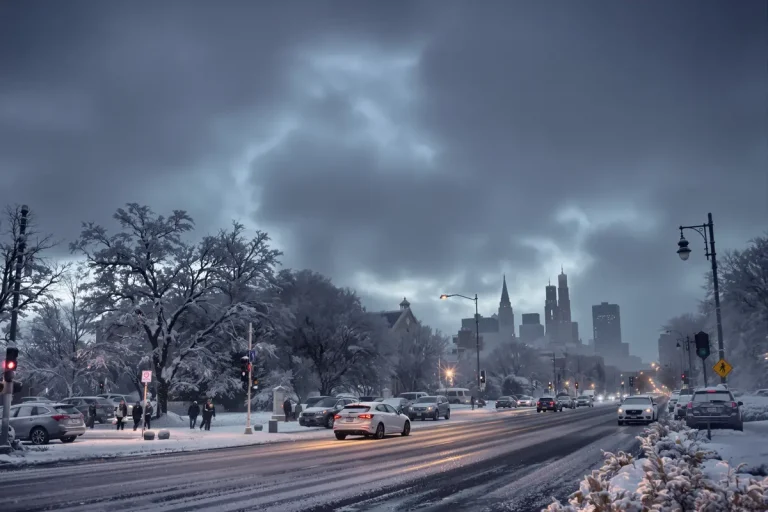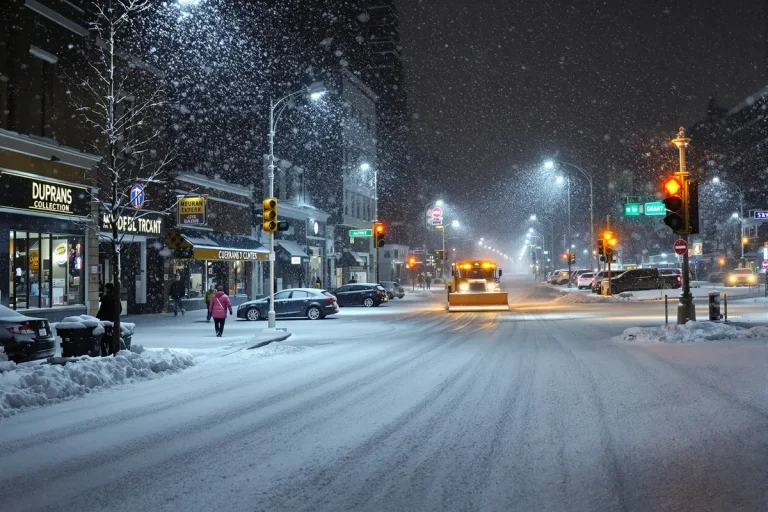
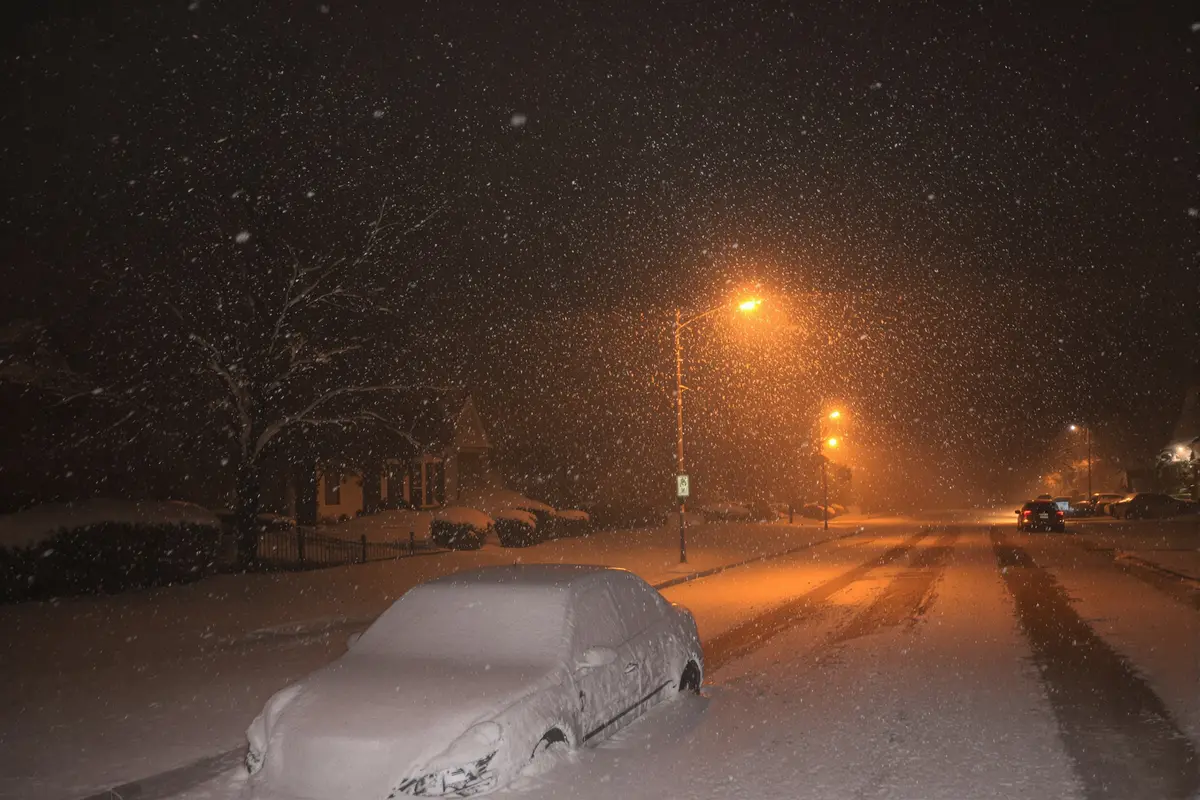
The calm before the storm can be deceiving. What started as a quiet snowfall tonight is quickly turning into something more dangerous. Forecasters are raising the alarm: the worst is still on the way, and it’s coming while most of us are asleep.
Overnight snow to intensify rapidly
Tonight’s snowfall, which began light and peaceful, is expected to intensify dramatically overnight. Meteorologists are warning of classic whiteout conditions, especially between 2 a.m. and 6 a.m., when visibility may drop to near zero.
Weather radar shows thick, moisture-heavy snow bands moving slowly toward densely populated areas. These bands could bring snow at rates of 2 to 3 inches per hour, overwhelming road crews and burying roads in a matter of minutes.
Whiteouts: more than just heavy snow
A whiteout isn’t just deep snow—it’s dangerous because of visibility. Strong winds blow snowflakes into the air, turning headlights into blinding glows and making even familiar roads vanish.
You may not notice how dangerous it’s become until it’s too late. If your surroundings blur and your headlights bounce off the snow instead of lighting the road, you’re likely entering a whiteout. At that point, slowing down and pulling over is often the safest move.
Simple things you can do before bed
You don’t need to panic, but you do need to prepare. Tonight is the time for small, smart steps that make a big difference if the storm worsens overnight.
- Bring your car closer to the door
- Flip your windshield wipers up to prevent freezing
- Clear the windows while snow is still light
- Put a small shovel or broom by the front door
- Charge your phone and a backup power bank if you have one
- Move a flashlight somewhere easy to grab in the dark
- Throw snacks and a warm blanket into your car, just in case
Check the latest forecast one final time tonight. Knowing whether the worst snow will hit before dawn or during your morning commute could help you make a smart call in the morning.
Decide now what “too much” looks like
One of the most helpful things you can do is draw your own line. Decide tonight: if the wind is howling and visibility is poor, will you cancel morning plans or work from home?
Make that decision before you’re rushed and bleary-eyed. It’s much safer to set your limits now than to rely on a snap judgment tomorrow.
Why this matters for everyone—not just drivers
Not everyone has the luxury of staying home. Nurses, store workers, gig drivers, and parents with early drop-offs still have to move through the storm. Every choice matters more when roads disappear, plows fall behind, and even headlights get swallowed by the snow.
If you have to drive, go slow, use low beams, increase your space from other cars, and keep your moves smooth and steady. Tell someone where you’re going and when you expect to get there. A simple plan can make all the difference.
The storm is coming—how will you meet it?
Some will treat tomorrow as a surprise day at home. Others will try to push through, hoping the worst misses them. Whichever you are, remember: the snow doesn’t care about your calendar. But how you respond can shape the kind of day you have.
Stay alert, stay flexible, and above all, stay safe. Tonight’s white flakes may look calm now, but don’t let them fool you—tomorrow’s commute could be a very different story.
Quick FAQ: What to know right now
What exactly is a whiteout?
A whiteout happens when blowing snow and low visibility make everything look the same—white and flat. You can’t see where the road ends or where objects around you begin. It’s much different from just driving in heavy snow.
Are plowed roads still dangerous?
Yes. Even if plows have passed, rapid snowfall can make roads slippery again in minutes. If you can’t see more than a couple of car lengths ahead, it’s not safe to keep driving normally.
What’s the best thing I can do before bed tonight?
Check the latest weather update and decide what conditions will make you delay or cancel your morning travel plans. Having that boundary planned makes your morning easier and safer.
How will I know if I’m in a whiteout while driving?
If lane lines and road edges disappear, and your headlights seem to reflect back at you, it’s time to slow down and pull off if you can. Losing track of the road means you’re already deep into whiteout conditions.
What if I need to drive through the storm?
Drive slowly, leave lots of space between cars, use low beams, and avoid sudden moves. Tell someone your route and pack warm clothes, snacks, and a charged phone so a delay doesn’t turn into an emergency.