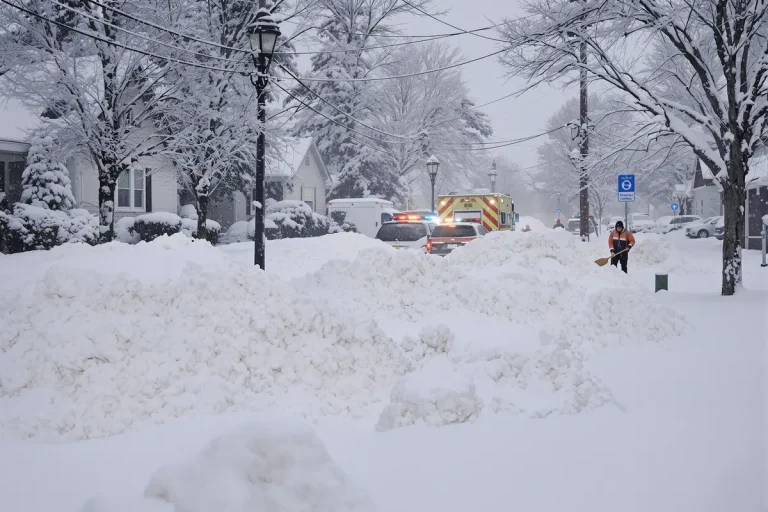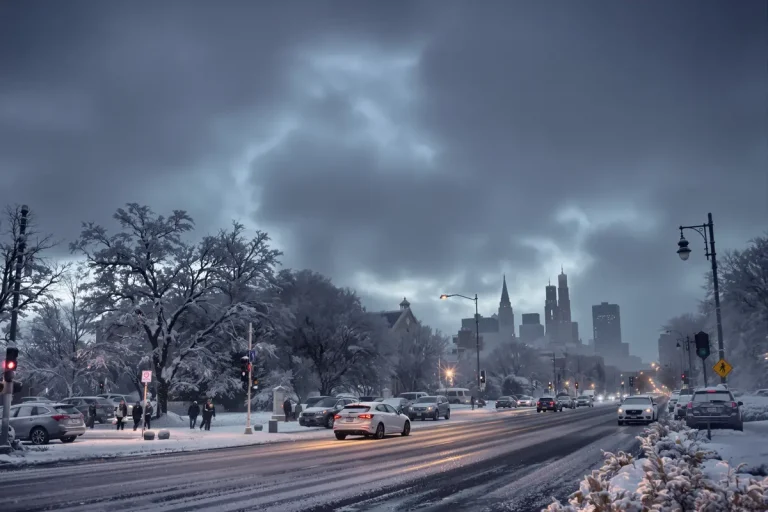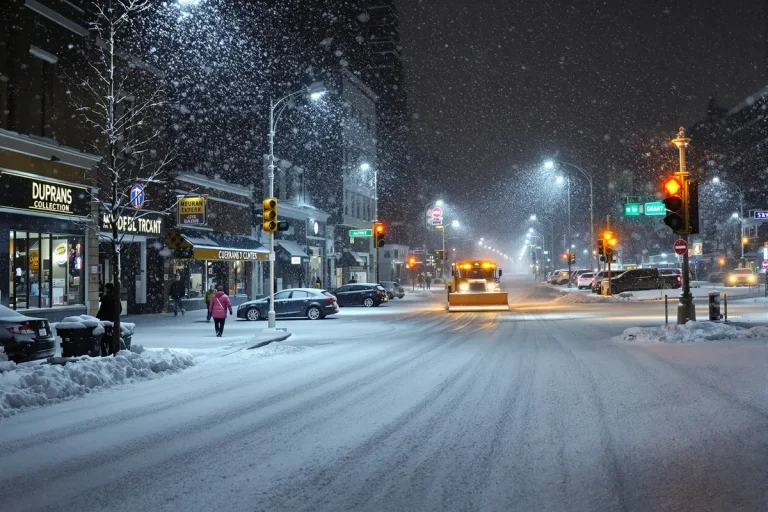
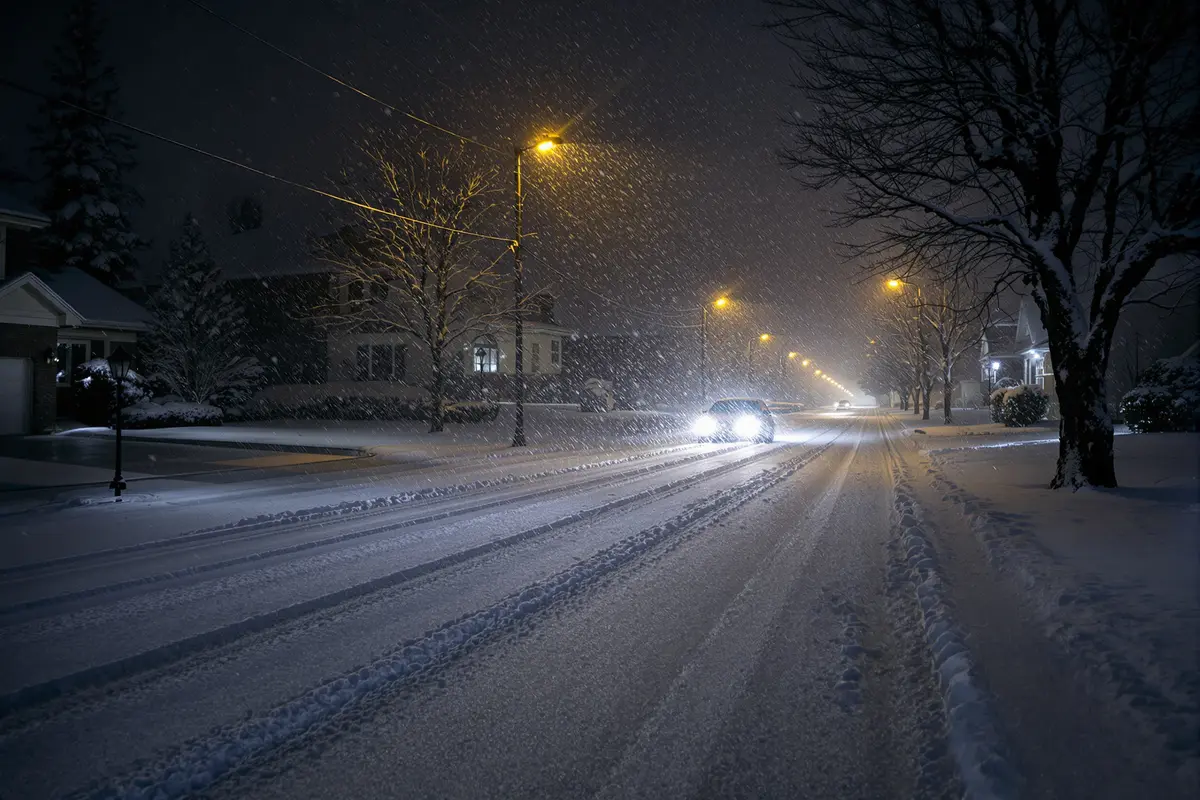
Snow is no stranger to winter, but what’s coming tonight isn’t your average flurry. Forecasts are now warning of heavy snow hitting overnight—and the timing couldn’t be worse. With roads set to turn treacherous by dawn, here’s what you need to know to stay safe, prepared, and one step ahead of the storm.
When is the worst of the snow expected?
This isn’t just a few flakes blowing through. Meteorologists are now pointing to intense snowfall after midnight. The heaviest bands are likely to fall between midnight and 6 a.m., meaning most of it will settle before commuters hit the roads.
That timing is key. While the world sleeps, several centimeters of snow could quietly blanket roads, driveways, and buses—long before plows and gritters catch up.
Why this snowstorm could be more dangerous than usual
It’s not just about how much snow falls—it’s about how fast and at what temperature. If snow hits harder than gritters can manage, the snow piles up, outpacing road salt.
Even worse, temperatures are expected to briefly rise, melting some of the snow. But as the mercury drops again toward dawn, that meltwater could refreeze into invisible black ice, turning your morning drive into a slip-and-slide.
Real-life chaos: what can go wrong?
Last winter, one local council logged over 200 road incidents in just six hours during a similar event. Jackknifed trucks, buses stuck on slopes, minor crashes at every turn—it can all unfold fast.
Even rail services aren’t immune. Frozen switches and iced-over platforms might lead to delays or cancellations just when you need them most.
Here’s how to prepare—starting tonight
Want to avoid a freezing panic tomorrow morning? Set yourself—and your car—up tonight. Here’s what helps most:
- Double-check your route with a live traffic app and plan backups that avoid known trouble spots or hills.
- Lay out warm clothes now—think layers, waterproof boots, gloves, and hats.
- Pack your winter car kit: ice scraper, flashlight, phone charger, blanket, snacks, and a small shovel.
- Charge your phone fully and let someone know your travel plans.
- Avoid early alarms unless necessary—sometimes a short delay saves you hours of stress.
Driving in snow? Don’t make these mistakes
It’s tempting to assume winter tires or four-wheel drive make you invincible. They don’t. Here’s what actually keeps you safe:
- Slow down more than you think you need to—the usual speed limits aren’t made for snow.
- Increase stopping distance. Tailgating in bad weather puts you a second away from someone else’s crash.
- Skip side routes suggested by your GPS—they might be shorter, but not safer.
Public transit and school closures: expect changes
Trains and buses usually try to run, but don’t count on them being on time. Live updates are a must before you leave. With frozen tracks and risky roads, cancellations are possible.
Schools and workplaces may also reach decisions early tomorrow based on local conditions. Keep an eye on your email or parent group messages before bundling up the kids.
What if you get stuck in your car?
It happens—so here’s what to do:
- Stay visible: Keep hazard lights on and tie a cloth to your antenna.
- Check your exhaust pipe: Make sure it’s clear of snow to avoid carbon monoxide buildup.
- Conserve battery: Use your phone sparely and keep it warm if possible.
- Heat in short bursts: Run the engine occasionally for warmth but conserve fuel.
- Call for help: Roadside assistance or emergency services can guide or reach you.
This kind of snowstorm changes everything—for a day
Tomorrow isn’t just another cold winter morning. Some people will get a surprise snow day. Others will white-knuckle their way to work. And someone may just end up walking to tow a neighbor’s car out of a snowbank.
But storm days also reveal small acts of kindness—kids helping grandparents shovel driveways, neighbors checking in, strangers pushing stuck vehicles uphill. It’s not just about getting through, it’s about looking out.
Need a quick recap?
| Key Point | Detail | Value for You |
|---|---|---|
| Timing | Heavy snow expected after midnight into early morning | Lets you adjust your departure time or plan remotely |
| Risk Level | High chance of ice, blocked roads, low visibility | Plans your route and warns when to cancel trips |
| Prep Tips | Emergency kit, warm clothes, and slower driving | Reduces risk and keeps stress low |
Final thoughts: tonight is the time to act
All it takes is one slick corner or one frozen bridge to change everything. That’s why tonight—not tomorrow morning—is the best moment to prepare. Charge your phone. Pack your bag. And most important of all, slow down before the snow does it for you.