
India is making a bold move—one that could turn the global aviation market on its head. While Boeing and Airbus struggle with production issues and regulatory heat, India is quietly launching a game-changing plan. And no, it’s not China leading the charge this time.
India steps into the aircraft manufacturing race
For decades, India has been a fast-expanding aviation market, hungrily buying jets from global giants. But now, the country wants more than just a seat on the plane—it wants to build the aircraft.
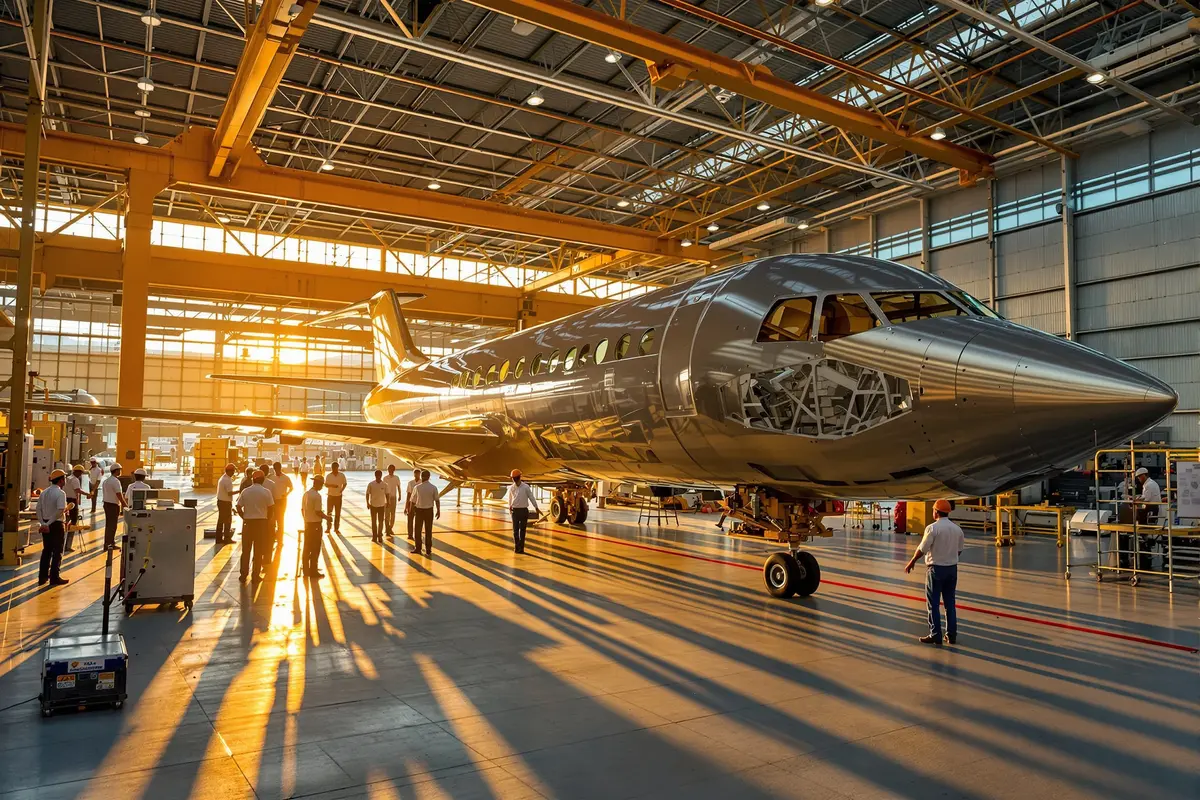
In a major leap, Indian business powerhouse Adani Group has joined forces with Brazilian aircraft maker Embraer. Together, they plan to build regional jets in India—airplanes seating between 70 and 140 passengers. This size is perfect for connecting smaller cities and covering short- to medium-haul routes.
More than just assembly: building the full ecosystem
Some might think this is just about putting together parts shipped from abroad. But the Adani-Embraer deal goes far deeper.
- Manufacture of aircraft parts and components
- Assembly of complete planes
- Maintenance and repair facilities
- Training centers for pilots and mechanics
This full-spectrum approach could give India an edge—not just as a buyer, but as a builder of world-class aircraft.
Why regional jets are a smart first target
At first glance, regional jets aren’t flashy. They don’t fly across oceans or pack hundreds of passengers. But they play a core role in modern air travel.
They’re the workhorses for national routes, especially in big, growing countries like India. Here’s why they matter:
- They can land on shorter runways, ideal for small city airports.
- They help airlines test new or low-traffic routes.
- They offer lower costs per trip on less populated routes.
For India, where demand is soaring in tier-2 and tier-3 cities, this type of aircraft couldn’t be more perfect.
A market ready to explode
India’s domestic aviation has seen a massive boom. Low-cost carriers are expanding steadily, and rising incomes are making air travel affordable even for middle-class families in smaller towns. As a result:
- More cities want direct flights, not long transfers through mega hubs
- Airlines need smaller, nimble aircraft to serve new routes
- There’s a growing appetite for local manufacturing support
The “Make in India” strategy takes flight
This aircraft deal also fits perfectly within New Delhi’s big-picture push to “Make In India”. The aim? Reduce dependency on imported tech and build a local industrial base for critical sectors like aviation, space, and defense.
Adani isn’t new to transportation. The group already runs major Indian airports and works on defense and satellite projects. Now, it wants to boost India’s place in civil aviation—starting with dependable, mid-size planes.
What this means for jobs and skill-building
Building jets isn’t easy—it takes precision, quality, and world-class skills. But that’s exactly what India’s about to develop.
- Thousands of jobs will be created—on factory floors, in design labs, and training schools
- Training hubs are planned to educate pilots, engineers, and mechanics
- Indian states like Gujarat and Andhra Pradesh are already competing to host these new facilities
Each plant won’t just build machines—it’ll shape future aerospace professionals capable of contributing globally.
Challenges on the runway
It’s an exciting vision—but not without turbulence.
Aircraft manufacturing is hard. There are strict certification rules, high costs, and long timelines. Even a small error can cause major delays and customer pushback.
There are also supply chain risks. India must now develop reliable local suppliers for everything from precision parts to electronics. That takes time, funding, and deep cooperation with airlines.
Let’s not forget India’s airline market is already packed with Airbus and Boeing planes. Convincing carriers to invest in a new aircraft type comes with operational challenges like staff retraining and new maintenance procedures.
Could this change how you fly?
The first sign might be subtle. A domestic flight you once took with a Brazilian jet might soon be powered by one built entirely in India.
Over time, as costs drop and maintenance becomes more local, airlines can launch new direct routes—connecting smaller cities and making travel faster and more convenient.
And in times of global crises, having repair parts and support available within India could save time and reduce costly delays.
Shifting the balance in global aviation
This partnership marks the beginning of a larger trend. China’s already advancing with its C919 narrow-body jet, aiming to compete with Western aircraft. Now, India is taking its seat at the table, targeting a smaller but equally vital sector: regional jets.
For Airbus and Boeing—who’ve enjoyed a long-standing duopoly—this could be the start of real competition from two Asian giants pushing from opposite ends of the market.
Final thoughts: A first step toward bigger goals
If successful, India’s regional jet effort can unlock much more—a stronger industrial base, better connectivity across the country, and maybe even a future where India exports aircraft worldwide.
Today, it’s about regional routes. Tomorrow, it could be wide-body jets, advanced aerospace systems, and a new center of gravity in global aviation.