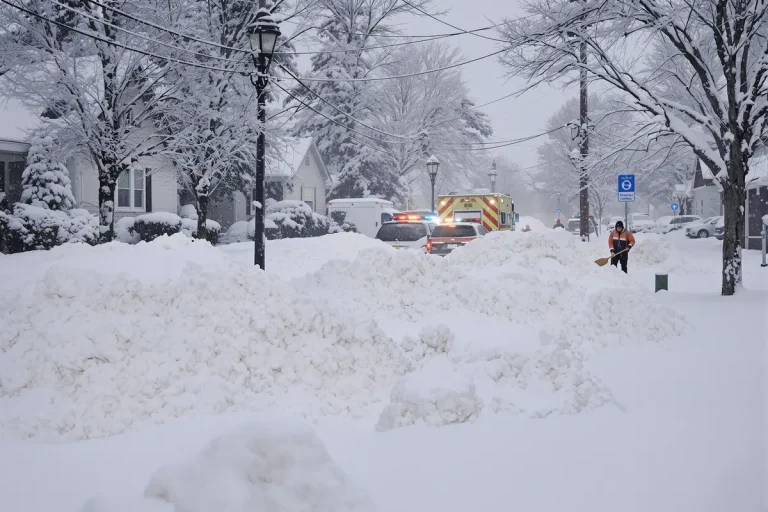
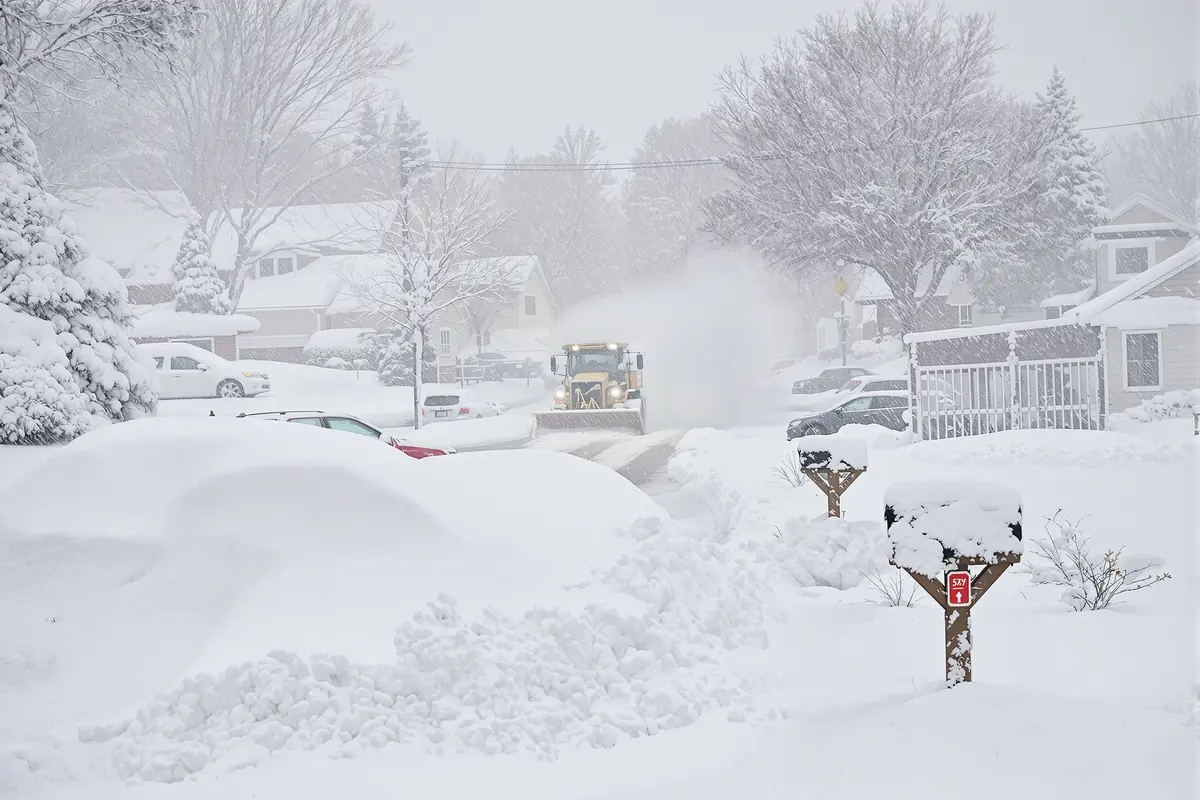
It starts like any other snowfall—quiet, beautiful, almost magical. But when the forecast jumps from flurries to 72 inches of snow and the warnings turn bold red, that gentle scene becomes something else entirely. If you’re planning to go anywhere, even just around town, there’s one question you need to answer fast: should you travel at all?
What a Winter Storm Warning Really Means
When meteorologists issue a winter storm warning with 48 to 72 inches of possible snow, they’re not just being dramatic. This isn’t a light dusting or even a typical snowstorm. At these levels, every part of daily life starts to shut down.
Here’s why:
- Snowfall rates of 2-4 inches per hour can bury roads faster than plows can clear them.
- Whiteout conditions make it almost impossible to see what’s ahead—even in daylight.
- Travel becomes dangerous to impossible as snow piles up and emergency responders struggle to reach accidents.
If you’ve ever seen photos from Buffalo after a lake-effect storm or seen the Sierra Nevada buried beneath towering snowbanks, you already know how fast conditions can turn. And once highways close or flights get grounded, you’re stuck.
Why Planning Ahead Can Save You (Literally)
Here’s the core truth: most people wait too long to adjust their plans. There’s a strong temptation to “see how it goes,” but that delay is often what turns a mild inconvenience into a full-blown emergency.
Instead, think in three simple layers:
- Time: Can you leave earlier or later? Or just not at all?
- Space: Park where you won’t get plowed in. Point your car outwards. Fill your gas tank now, before lines stretch around the block.
- Supplies: Prepare a mini-kit both at home and in your car. Just enough for comfort, not doomsday planning.
Deciding to cancel a non-essential trip isn’t weakness; it’s weather-smart. As one state trooper put it: “Nobody remembers the trip you canceled. They remember the one that ended with you stranded at 2 a.m.”
What to Pack If You Must Be on the Road
If there’s no option other than heading out, you need to be ready to wait. Possibly for hours.
Here’s what experts recommend you keep in your car during a serious winter storm warning:
- Warm clothing: hat, gloves, thermal socks, and at least one extra sweater or coat
- Food and water: non-perishable snacks and 2–3 bottles of water
- Basic tools: a small shovel, windshield scraper, sand or cat litter for traction
- Chargers: phone charger, portable power bank, and a printed contact list—just in case
- Visibility aids: a bright cloth or warning triangle to signal help if stranded
That little kit can be the difference between discomfort and real danger. You might never need it. But on the day you do, you’ll be grateful you had it ready.
Why 72 Inches Can Shut Down Everything
When snowfall goes beyond two feet and keeps falling, the system can’t keep up. Here’s what tends to happen:
- Road crews stall: Plows work in shifts, but blowing snow can undo their work in minutes.
- Airports close: De-icing planes, clearing runways, and maintaining safe visibility become unmanageable past certain thresholds.
- Emergency access fails: First responders can’t reach pileups or stranded cars fast enough to keep people safe.
The result? Travel bans, flight cancellations, and stripped grocery shelves. All because fluffy flakes added up faster than infrastructure could respond.
How to Read the Forecast—and Your Reality
That weather app icon might look cute, but it’s worth a closer look when warnings start. Here’s what to pay attention to:
- Timing: When are conditions supposed to worsen? Overnight storms are harder for road crews to manage.
- Total accumulation: Anything past 12–18 inches should raise alarms, especially in rural or mountainous areas.
- Wind speed: High gusts turn snow into invisible hazards—whiteouts that end up in ditches.
Your best decisions happen 12–24 hours before the worst hits. After that, you’re reacting, not preparing.
Quick Answers to Big Questions
What does a winter storm warning actually mean?
It means hazardous weather is either happening or about to happen. Travel could be dangerous or impossible, with snow, ice, and wind creating life-threatening conditions.
Is it safe to start a trip if the snow is coming later?
No. Storms often arrive earlier than predicted, and even a few inches can shut down roads if visibility drops. Plan for the worst, not the best-case timing.
How much snow closes highways?
It varies by region, but once totals pass 18 to 24 inches, many highways close due to plow limitations and poor access for emergency vehicles.
What should I keep in my car?
At minimum: warm clothes, snacks, water, a shovel, scraper, phone charger, and something to signal for help. A snowstorm survival kit takes up a small corner of your trunk—and could make a huge difference.
When do airlines and bus companies cancel?
Timing depends on visibility and runway conditions. Many carriers announce cancellations 12–24 hours ahead once storms become severe. Track updates through official channels—not guessing.
Let the Storm Rewrite the Day—Safely
There’s something uncanny about how snow can halt life’s momentum. Appointments fade. Alarms are silenced. Kids trade schoolbooks for sleds. And we’re all forced to slow down.
But slowing down doesn’t mean giving up control. It means you choose warmth over worry, safety over schedule. And perhaps most importantly—it means you’ll still be around to tell the storm story once it’s done.