Every winter, headlines shout “polar vortex incoming!” But is it actually one of the most dangerous weather events… or just another overhyped scare to get clicks? Let’s break down what a polar vortex really is, what it means for you, and how to prepare while ignoring the drama.
What exactly is the polar vortex?
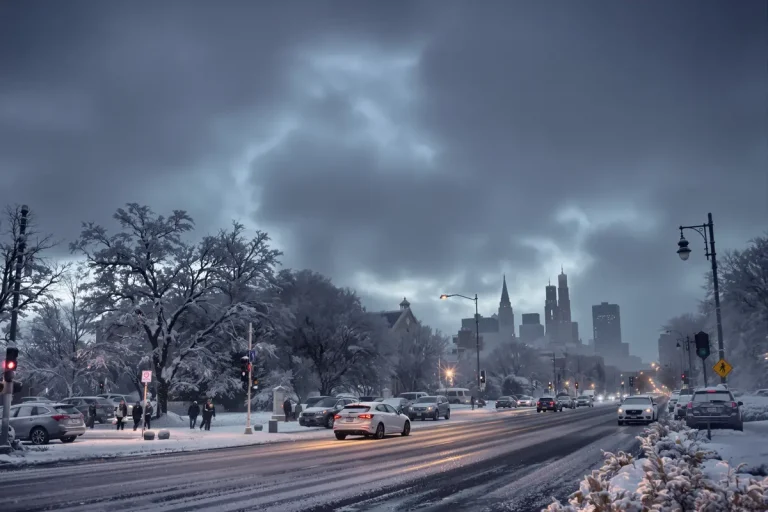
The polar vortex sounds like something from a sci-fi movie, but it’s a real weather pattern. It’s a large ring of cold, swirling air that normally stays near the North Pole. Sometimes, though, that ring weakens. When it breaks apart, freezing air can move deep into places like the U.S., Europe, and parts of Asia. That’s when temperatures drop suddenly and severely.
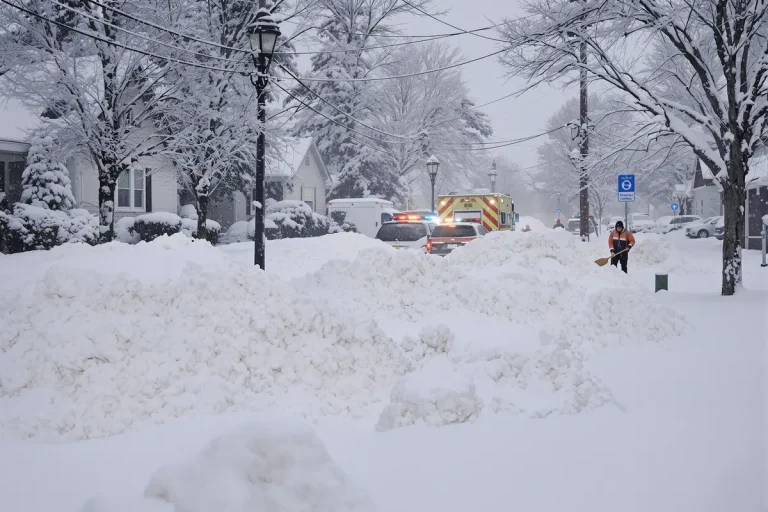
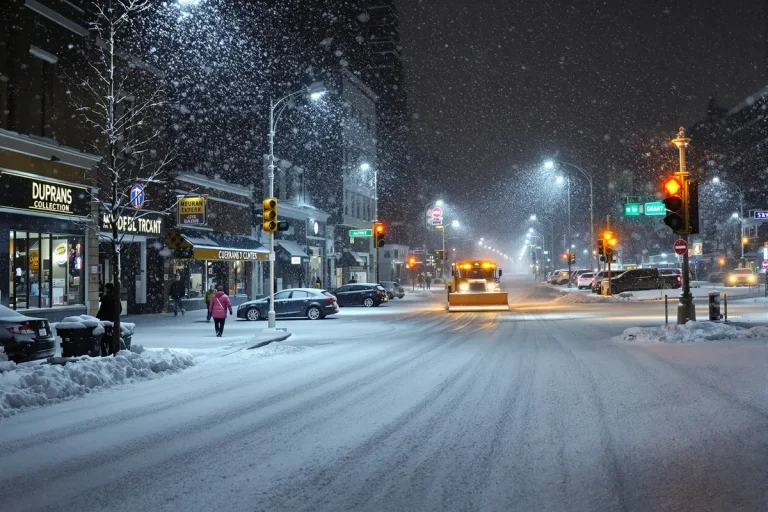
Unlike a regular cold front, a polar vortex disruption is more intense. Think of it like the Arctic “unzipping” and spilling icy air farther south. When this happens, we often see record-low temperatures, icy roads, and flight cancellations. Past examples include the winter of 2013–14 and the Texas freeze of 2021, both of which caused serious disruptions and even deaths.
Real science or fear-driven media?
It’s easy to get overwhelmed by the news—especially when flashy TV graphics and social media posts throw around phrases like “once-in-a-generation storm.” Some people feel scared and start panic buying. Others roll their eyes and assume it’s all exaggerated.
But here’s what’s actually happening: meteorologists are doing their job. They’re looking at weather models, Arctic temperatures, and jet stream patterns to decide whether a disruption is likely. What happens next depends on how the media and public interpret those warnings.
- Some news reports lean into drama, focusing on worst-case scenarios
- Social media might joke about it or accuse scientists of fearmongering
- People get caught between panic and disbelief
The truth? You don’t need to pick a side. You just need to stay informed enough to make good decisions.
How to prepare without overreacting
No, you don’t need to rush into survival mode. But if meteorologists say a major polar vortex is likely, it’s smart to do a few small things. Emergency planners suggest preparing as if you might be stuck at home for 72 hours.
Here’s your quick polar vortex checklist:
- Stock up on non-perishable food and water
- Refill medications and essentials
- Charge power banks and flashlights
- Keep your gas tank at least half full
- Gather warm blankets and backup heat sources
- Print important contacts and have ID backups on your phone
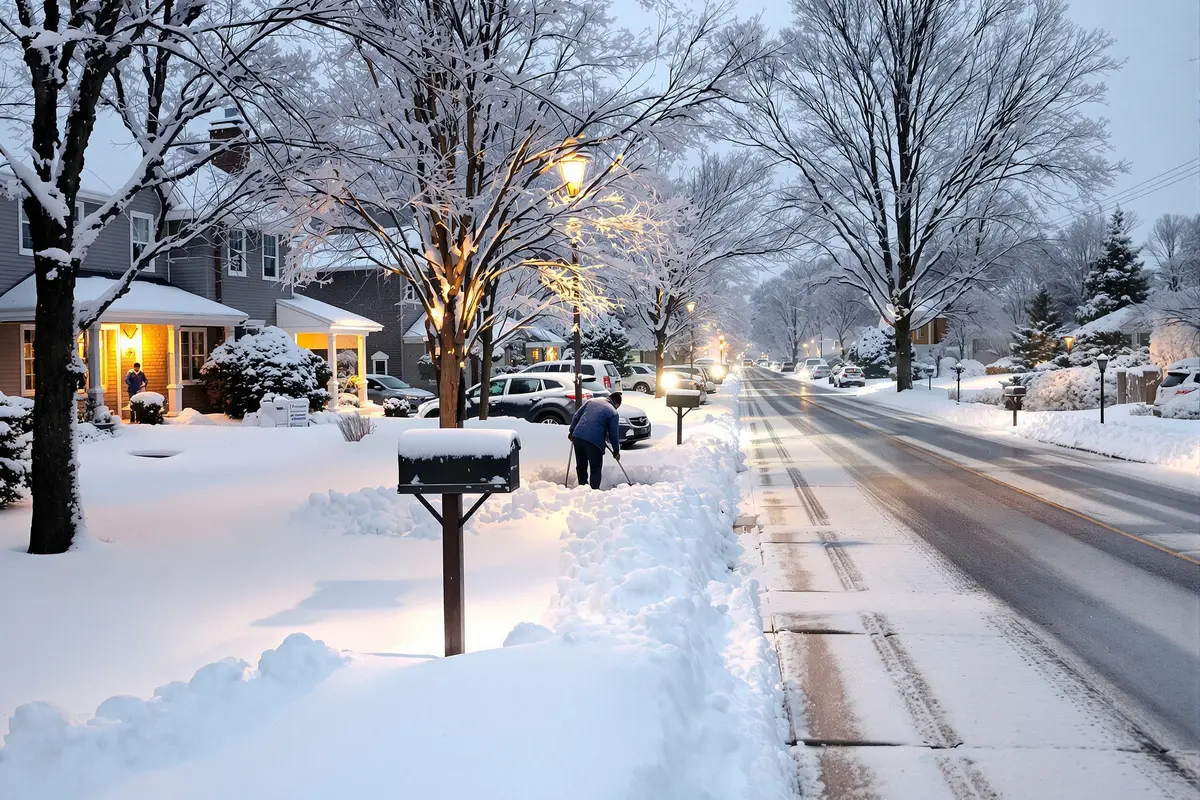
- Pack a small car kit: blanket, snacks, ice scraper, shovel
These steps aren’t about panic—they’re just practical. If the worst doesn’t happen, you’re still better off. And if it does? You’re ready.
Traveling? Think ahead, not in fear
If you have upcoming travel plans and hear “polar vortex” on the news, don’t panic—but do act wisely.
Smart travel tips:
- Fly earlier in the day, when delays are less likely to snowball
- Choose flights with more frequent daily options
- Avoid tight layovers in snowy airports
- Consider flexible tickets or travel insurance during peak winter weeks
Keep watching the forecast starting 5–7 days ahead. Conditions can change quickly, but being prepared gives you options.
Why people are skeptical—and why that’s okay
Some folks doubt the polar vortex warnings because they’ve been burned before. Maybe a big storm never happened. Or maybe it did—but systems failed, like in Texas. Others feel overwhelmed by constant bad news: climate change reports, wildfires, heatwaves—and now this?
It’s normal to feel tired—or even cynical. But it’s also a mistake to ignore a real risk out of frustration with media or politics. As meteorologist Laura Stephens put it, “The vortex doesn’t check your stance on climate policy before it drops the temperature.” It’s about the weather, not your beliefs.
The quiet power of being ready
You don’t need to join the panic crowd or the denial crowd. There’s always a middle ground—one that keeps you safe and calm without feeding fear.
So here’s the challenge: pick one thing to do today to make yourself a little more ready. Maybe it’s topping off the car, buying batteries, or talking with loved ones about a plan if the heat goes out. One small action will help more than hours of scrolling through hot takes and viral maps.
Bottom line: is the polar vortex real?
Yes, it’s real. It’s been studied. It’s happened before. Sometimes the effects are mild; other times, they’re huge. What matters isn’t arguing over the forecast—it’s making small, thoughtful choices that help you weather whatever winter throws your way.
Forget the noise. Stay alert, stay grounded, and—most of all—stay warm.